
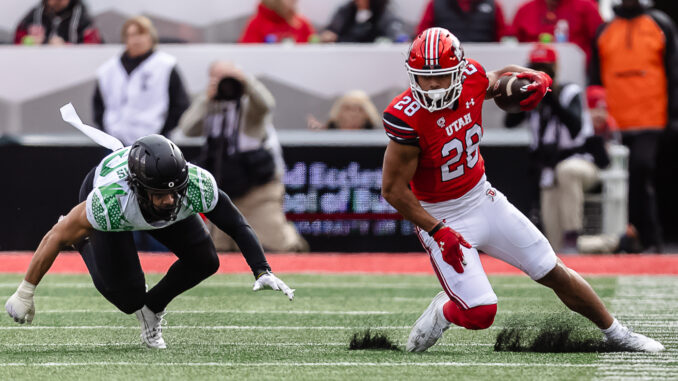

In an era where collegiate recruitment and institutional branding are increasingly dictated by digital presence, the integration of professional sports photography has transitioned from a luxury to a strategic necessity for high school athletic departments. By capturing pivotal competitive moments with high-resolution clarity, schools are asserting their program’s prestige, providing athletes with indispensable recruitment assets, and fostering a deep-seated sense of community engagement. The data suggests that high-quality visual documentation is a primary driver in student-athlete visibility, directly influencing the trajectory of collegiate prospects and the public perception of athletic excellence.
For decades, the standard for high school sports documentation relied heavily on well-meaning volunteers and consumer-grade equipment. However, the modern landscape of high school athletics is now a high-stakes environment where every snap, sprint, and tackle is analyzed by recruiters thousands of miles away. As the competition for athletic scholarships intensifies and Name, Image, and Likeness (NIL) considerations begin to permeate the secondary education level, the disparity between amateur snapshots and professional-grade imagery has never been more consequential.
The Strategic Imperative of High-Resolution Visuals in Recruitment
The collegiate recruitment process has evolved into a digital-first evaluation. With thousands of prospects vying for limited roster spots across NCAA and NAIA divisions, recruiters are frequently stifled by a deluge of low-quality video and blurry photographs that fail to highlight an athlete’s technical proficiency. Professional photography, such as that provided by JTS Media, serves to clarify the narrative of an athlete’s performance.

- Evaluation Efficiency: Recruiters often have mere seconds to make an initial assessment. High-quality action shots effectively highlight explosive movement, agility, and technical form: metrics that are often obscured in pixelated amateur footage.
- Brand Authority: Athletes who present a professional-grade portfolio are perceived as more serious contenders. A cohesive visual identity suggests a level of discipline and institutional support that attracts high-level coaching interest.
- Recruitment Metrics: Data indicates that social media profiles belonging to high school athletes with professional photography see a 40-60% higher engagement rate from verified coaching accounts compared to those using standard smartphone images.
When an athlete is captured in a moment of peak intensity, like a linebacker thwarting an offensive drive or a wide receiver securing a catch under heavy coverage, the image becomes more than a keepsake; it is a technical document. These images provide tangible evidence of a player’s “game speed” and spatial awareness: elements that are paramount for coaches scouting for specific positional needs.
Asserting Brand Identity through Professional Documentation
Beyond the individual athlete, the school’s athletic department functions as a brand. Every public-facing image contributes to the school’s reputation, impacting everything from booster club donations to future enrollment. Professional sports photography solidified the identity of a program by presenting a unified, high-performance image to the public.

High-stakes events, including state championships and high-profile rivalry games, require more than just a “record” of the score. They require a chronicle of the atmosphere and the collective effort of the team. For example, capturing the raw emotion of a team huddle or the focused determination of a defensive line before a critical fourth-down play creates a narrative of excellence. Professional coverage ensures that these moments are not lost to poor lighting or missed focus.
At JTS Media, our approach to high school sports photography involves a comprehensive coverage strategy. We document not only the star players but the entire ecosystem of the game, from the coaching staff’s sideline adjustments to the celebratory energy of the student section. This holistic documentation is essential for:
- Fundraising and Sponsorship: Programs with high-quality visual assets find it significantly easier to secure local sponsorships. Professional imagery provides sponsors with valuable content for their own marketing, creating a mutually beneficial partnership.
- Community Pride: Alumni and parents are more likely to share professional-grade images, exponentially increasing the program’s reach on social media.
- Historical Archiving: The legacy of an athletic program is built over decades. Professional photography ensures that the history of the school is preserved in a format that remains impactful for future generations.
The Psychological Dividend: Imagery as a Performance Catalyst
There is a significant psychological component to professional photography that is often overlooked. When athletes see themselves depicted with the same level of professional detail as their college or NFL idols, it often leads to a tangible boost in confidence and performance.
The visualization of success is a powerful tool in sports psychology. An athlete who sees a photograph of themselves executing a perfect tackle or crossing the finish line in a high-stakes mountain bike race is provided with a visual reinforcement of their own capabilities. This reinforcement can be a critical factor in maintaining the mental fortitude required for high-level competition.

Whether it’s the grit of a 100-yard dash or the technical precision of a mountain biker navigating a treacherous descent, the lens of a professional photographer validates the hard work and sacrifice these young athletes invest daily. This validation creates a feedback loop where athletes strive to perform at a level that matches the “pro” image they see of themselves, effectively elevating the standard of the entire program.
Technical Disparities: Thwarting the Limitations of Amateur Equipment
The primary argument for professional photography often rests on technical capability. High school stadiums, particularly during night games or in indoor arenas, present significant challenges for amateur equipment. Low-light conditions often lead to “motion blur” and “digital noise,” rendering many amateur shots unusable for professional publications or recruitment highlights.
Professional-grade cameras and lenses, such as those utilized by Jason Strother, are designed to handle these environmental obstacles. By utilizing high-speed shutters and wide-aperture lenses, professional photographers can “freeze” action at speeds of 1/2000th of a second or faster, capturing the exact moment of impact or the split-second clarity of a game-winning shot.
| Feature | Amateur Smartphone/DSLR | JTS Media Professional Grade |
|---|---|---|
| Action Freezing | High risk of motion blur in low light | Sharp focus at 1/2000s+ shutter speed |
| Low Light Performance | Significant “grain” or noise | Clean, vibrant images in stadium lighting |
| Lens Reach | Digital zoom loses detail | High-end telephoto lenses capture sideline-to-sideline action |
| Burst Rate | Limited shots per second | 20+ frames per second to catch the “peak” moment |
| Post-Processing | Basic filters | Professional color grading and atmospheric consistency |
Amateur equipment often fails to capture the “depth of field” that separates the athlete from the background, a technique used by professionals to create a focused, high-impact image. This technical separation is what gives professional photography its “premium” feel, immediately signaling to the viewer that the subject is of high importance.
Solidifying the Future of Athletic Media Standards
As athletic programs look toward the 2026-2027 seasons, the demand for high-quality content will only continue to escalate. With the rise of digital scouting platforms and the increasing importance of personal branding for student-athletes, the “truth” for high school athletic programs is clear: the quality of your media is a direct reflection of the quality of your program.
Programs that continue to rely on amateur documentation risk falling behind in the recruitment race and failing to capitalize on the branding opportunities that professional photography provides. Conversely, those who partner with experts like JTS Media are positioning their athletes for success beyond the high school level, asserting their program’s dominance in a crowded athletic landscape.

The investment in professional sports photography is an investment in the athletes, the community, and the long-term legacy of the institution. By ensuring that every pivotal moment is captured with professional precision, high school programs are not just recording games: they are building a foundation for the future of their student-athletes.
For programs interested in elevating their visual standards and securing professional coverage for upcoming seasons, contact us today to discuss comprehensive game and season-long photography packages.
Leave a Reply